
Kyrgyzstan is a secular state; most Kyrgyz are Sunni Muslims, and there is a sizeable Russian Orthodox community. But religion here is a rich mix. Long before Islam, the Silk Road brought Buddhists, Zoroastrians, Nestorian Christians and Manichaeans to the valleys of the Tien Shan, and the nomads kept their own old beliefs — many of which are still alive in everyday customs.
Old nomad beliefs
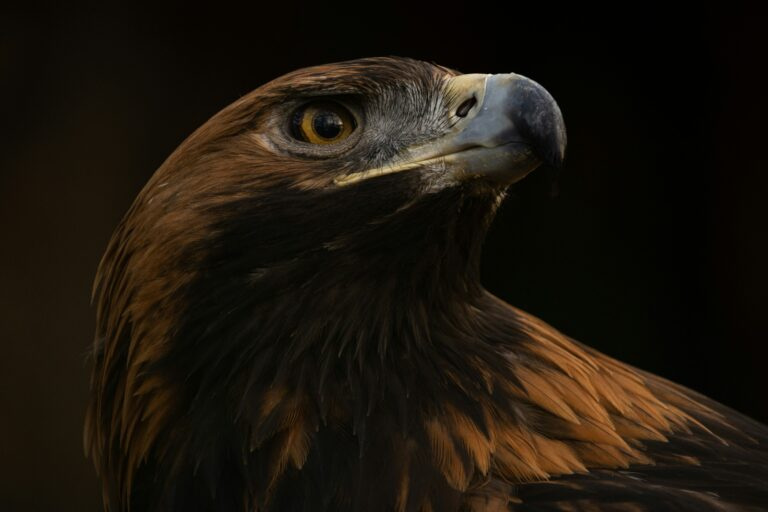
The early Kyrgyz worshipped the Eternal Blue Sky, Tengri, the mother goddess Umai-ene, the earth, water and fire. Many clans believed they descended from an animal ancestor; legends tell of the wolf, the snow leopard, the deer and the dog, and the hero Manas has a faithful hound, Kumayik.
The spirits of the ancestors, arbak, were believed to protect the living, so families held memorial meals on the 3rd, 7th and 40th day after a death and on the anniversary — a custom that continues today. Shamans (bakshy) were healers, and some people still visit traditional healers.
You can see traces of these beliefs all over the country: trees covered in strips of cloth tied by pilgrims, piles of stones on passes, horns of ibex on graves, and ancient petroglyphs with sun symbols.
Silk Road religions
- Buddhism — archaeologists found Buddhist temples at Ak-Beshim (ancient Suyab) near Tokmok, which the Chinese monk Xuanzang described in the 7th century. A Buddha figure is carved on a huge boulder in the Issyk-Ata gorge, and at Tamga-Tash near Issyk-Kul a stone bears the Tibetan Buddhist prayer Om mani padme hum.
- Christianity — remains of Nestorian churches were found around Tokmok and Bishkek. Ak-Beshim is part of the UNESCO World Heritage site ‘Silk Roads: the Routes Network of Chang’an–Tianshan Corridor’, together with Burana (Balasagun) and Krasnaya Rechka.
- Zoroastrianism — traces of fire temples have been found in the Chui valley; the spring festival of Nooruz goes back to these times.
Islam
Islam reached the cities of the Silk Road from the 8th century, but the nomads of the Tien Shan accepted it slowly, and it blended with older traditions. The Soviet period closed most mosques and churches. Since independence, interest in religion has grown, especially in the south, and new mosques have been built across the country.
Islamic holidays — Orozo Ait at the end of Ramadan and Kurman Ait, the feast of sacrifice — are public holidays, as are Orthodox Christmas (7 January) and Nooruz (21 March).
Sacred places to visit
- Sulaiman-Too, Osh — the sacred mountain in the middle of Osh, a pilgrimage site for over a thousand years and a UNESCO World Heritage Site since 2009. Its paths lead past caves, petroglyphs, healing stones and small shrines to the small shrine on the top known as Babur’s House — first built by the future Mughal emperor Babur in 1510 — with views over the city.
- Arslanbob — the walnut forest village with two waterfalls, both places of pilgrimage.
- Padysha-Ata mausoleum (Aksy district, Jalal-Abad region) — pilgrims say a visit here equals a ‘small hajj’.
- Shah-Fazil (Ala-Buka district) — an 11th–12th-century mausoleum with beautiful carved plaster inside.
- Manas Ordo (Talas) — the mausoleum linked to the hero of the Manas epic.
- Karakol — the wooden Holy Trinity Cathedral from the late 19th century, and the colourful Dungan Mosque, built by Chinese craftsmen in the early 20th century without a single nail.
- Svetly Mys on the north shore of Issyk-Kul — legend says the Apostle Matthew was buried at an Armenian monastery here; a Russian monastery stood on the spot in the 19th century.
- Tamga-Tash and the Issyk-Ata Buddha stone — quiet reminders of the Buddhist past.
Throughout the country you will also find mazars — holy graves, springs, rocks and trees — often marked with cloth ribbons. Many began as oboo, the stone piles nomads built for the spirit of a mountain.
How to visit respectfully
- Dress modestly at mosques and shrines — shoulders and knees covered; women should bring a headscarf.
- Take off your shoes before entering a mosque or a home-like shrine, and ask before going in if a prayer is under way.
- Walk around holy sites quietly and don’t touch offerings, ribbons or graves.
- Ask before taking photos of people praying.
- During Ramadan, avoid eating and drinking in front of people who are fasting in villages, especially in the south.
See also: Kyrgyz customs & hospitality and a short history of Kyrgyzstan.