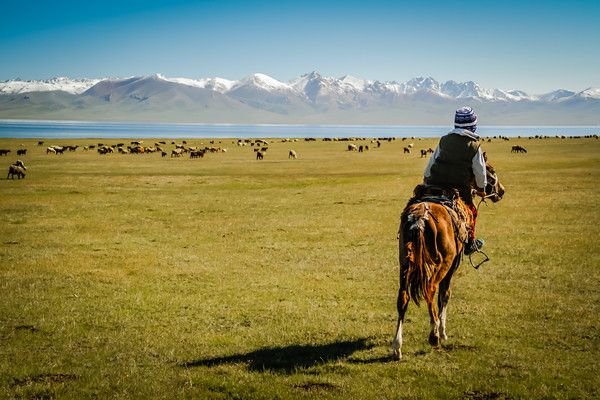

The nomadic way of life has shaped Kyrgyz culture more than anything else. It grew together with the cultures of the Saka, Huns, Turks and Mongols, and the Silk Road added its own layers. Today Kyrgyzstan is home to more than 80 ethnic groups, but the traditions of the herders are still alive on every summer pasture.
The yurt — ‘boz uy’
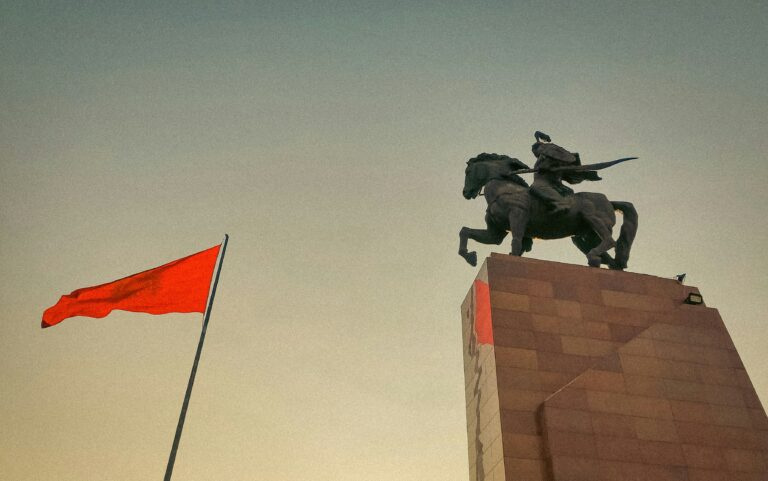
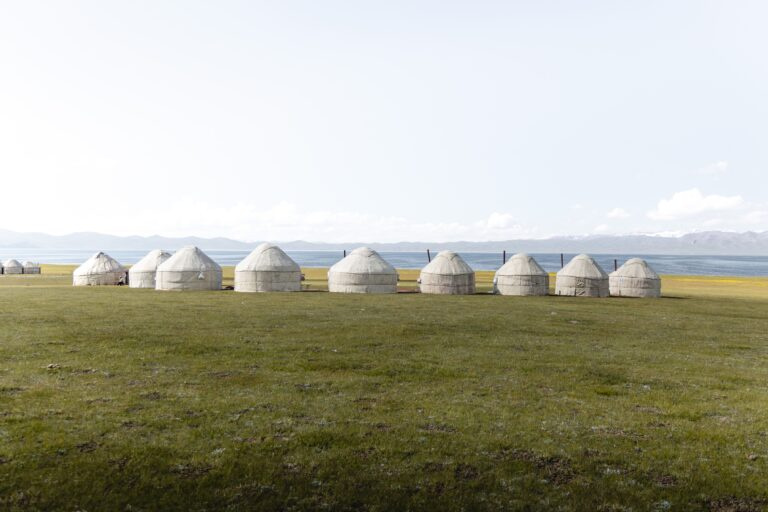
The yurt is the symbol of Kyrgyz life: the red national flag shows its crown, the tunduk. A skilled master can make a yurt in a month and it lasts for decades; it is put up without a single nail in about an hour, and a family needs 130–170 kg of wool to cover it. The Kyrgyz call it ‘boz uy’ — the grey house — because ordinary families used grey and black felt, while khans had white yurts, ‘ak orgo’.
Inside, everything has its place. The hearth sits in the centre under the tunduk. The place of honour, ‘tor’, is opposite the door — guests and elders sit there. To the right of the door is the women’s side with food and dishes, to the left the men’s side with saddles and hunting gear. Even in cities, families still put up a yurt for weddings, births and funerals. Read more: The Kyrgyz yurt.
The Manas epic
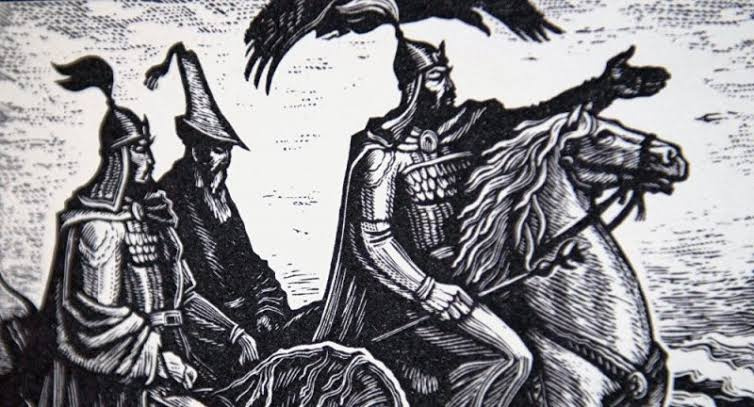
Manas is one of the longest epic poems in the world, telling of the hero Manas who united the Kyrgyz tribes. It was passed on orally by ‘manaschi’ — storytellers who recite it for hours from memory. Hearing a manaschi perform is an unforgettable experience. The art of the akyns, improvising poets who compete in verse, is another living oral tradition. Read more: The Manas epic.
Horse games and eagle hunting
Horse games have always been the highlight of every celebration:
- Kok-boru (ulak-tartysh) — two teams of riders fight for a goat carcass and try to throw it into the opponent’s goal. Its name means ‘grey wolf’.
- At-chabysh — long-distance horse races of 4 to 50 km, once run over 100 km.
- Kyz-kuumai — ‘catch the girl’: a young man chases a woman on horseback; if he fails, she chases him back with a whip.
- Oodarysh — wrestling on horseback; tyiyn-enmei — picking a coin off the ground at a gallop.
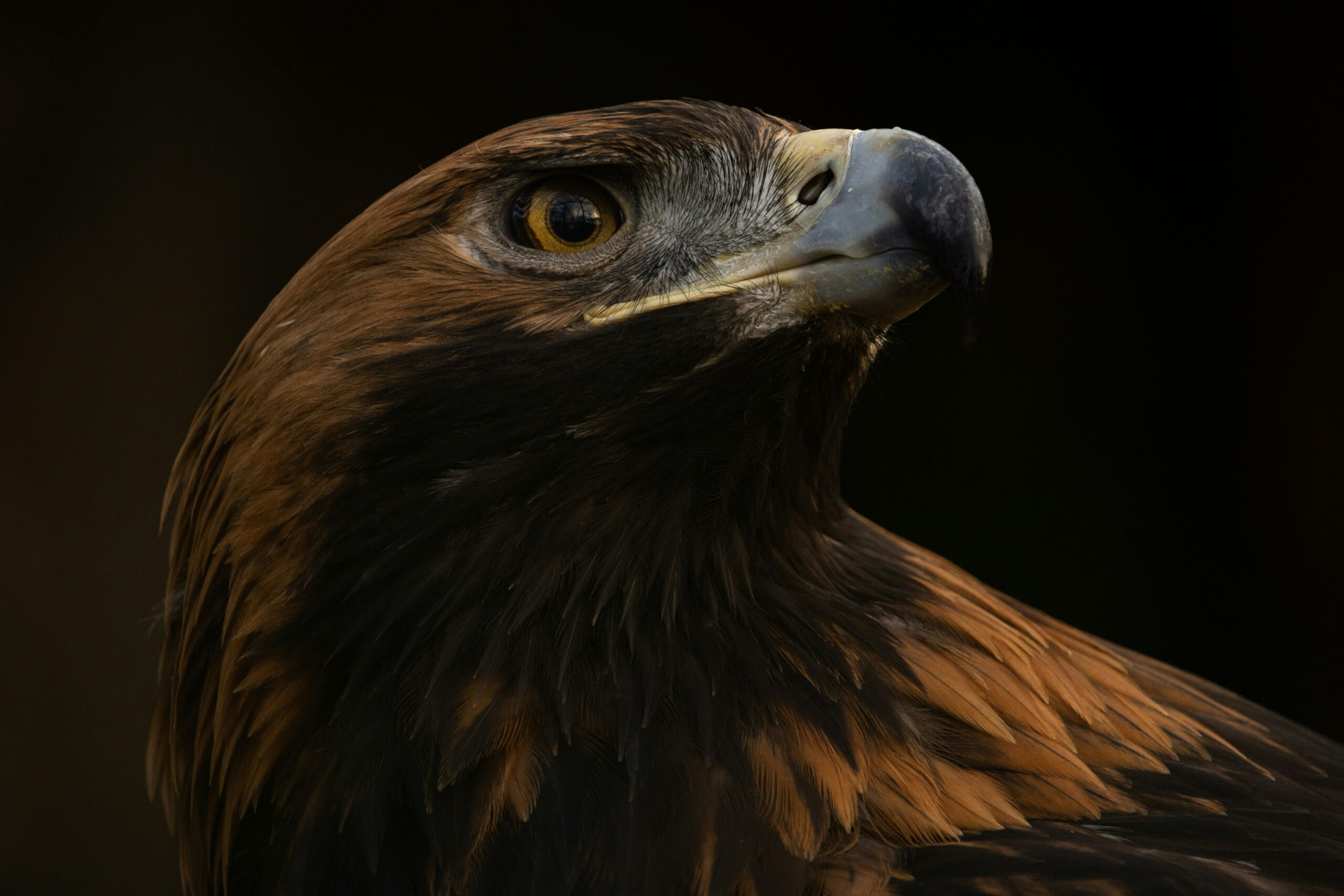
- Salburun — hunting with golden eagles and falcons, still practised by the berkutchi.
Read more: Nomad games: kok-boru, eagle hunting & horse sports.
Crafts
Felt is the great Kyrgyz craft. Shyrdaks — mosaic carpets of cut and stitched felt — and ala-kiyiz — felt with rolled-in patterns — cover the floors and walls of every yurt; their ornaments carry meaning, from rams’ horns to protective symbols. You can watch and even help make a shyrdak in Kochkor on several of our tours. Read more: Kyrgyz felt crafts.
Food and drink
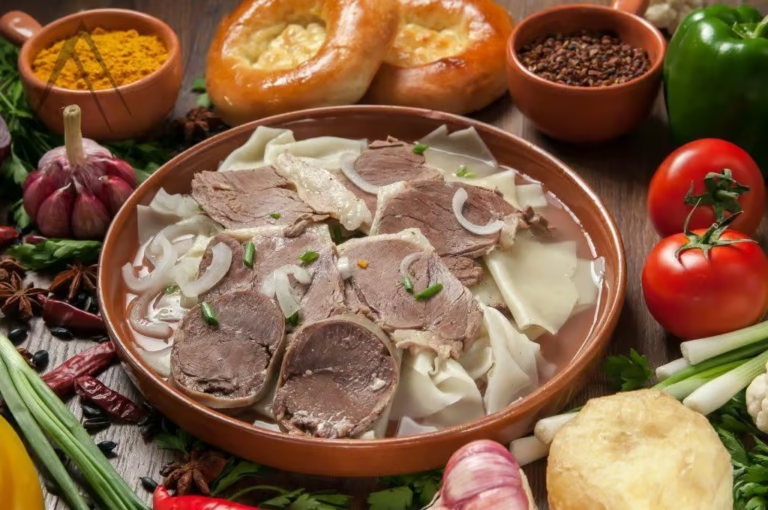
- Beshbarmak — the festive dish: boiled mutton with home-made noodles, traditionally eaten with the hand (‘five fingers’). It comes as a ceremony — first a bowl of strong broth (shorpo), then liver and tail fat, then ribs, then the beshbarmak itself.
- Kuurdak — fried meat with onions; plov — rice with carrots and meat, the main dish of the south; lagman — hand-pulled noodles; manty — steamed dumplings; samsa — baked pastries.
- Boorsok — fried dough served with tea everywhere.
- Kymyz — fermented mare’s milk, the summer drink of the pastures; maksym (jarma) and bozo — drinks made from grain.
- Tea — offered to every guest, often with milk.
Read more, with recipes: Kyrgyz food: traditional dishes, drinks & recipes.
Etiquette tips for travellers
- Take your shoes off when you enter a house or yurt.
- To show respect or thanks, people put the right hand on the chest. Men often shake hands with both hands; women usually greet each other with a small bow.
- Eat with your right hand when eating with fingers; meals end with ‘omin’ — palms passed over the face.
- The most respected elder sits at the head of the table. A toast to your host and his family is always appreciated, but you never have to drink.
- Address older men as ‘baike’ and older women as ‘eje’.
- If you are invited to a home, bring a small gift — fruit, sweets or tea.
- Ask before photographing people; a printed photo later is a treasured gift.