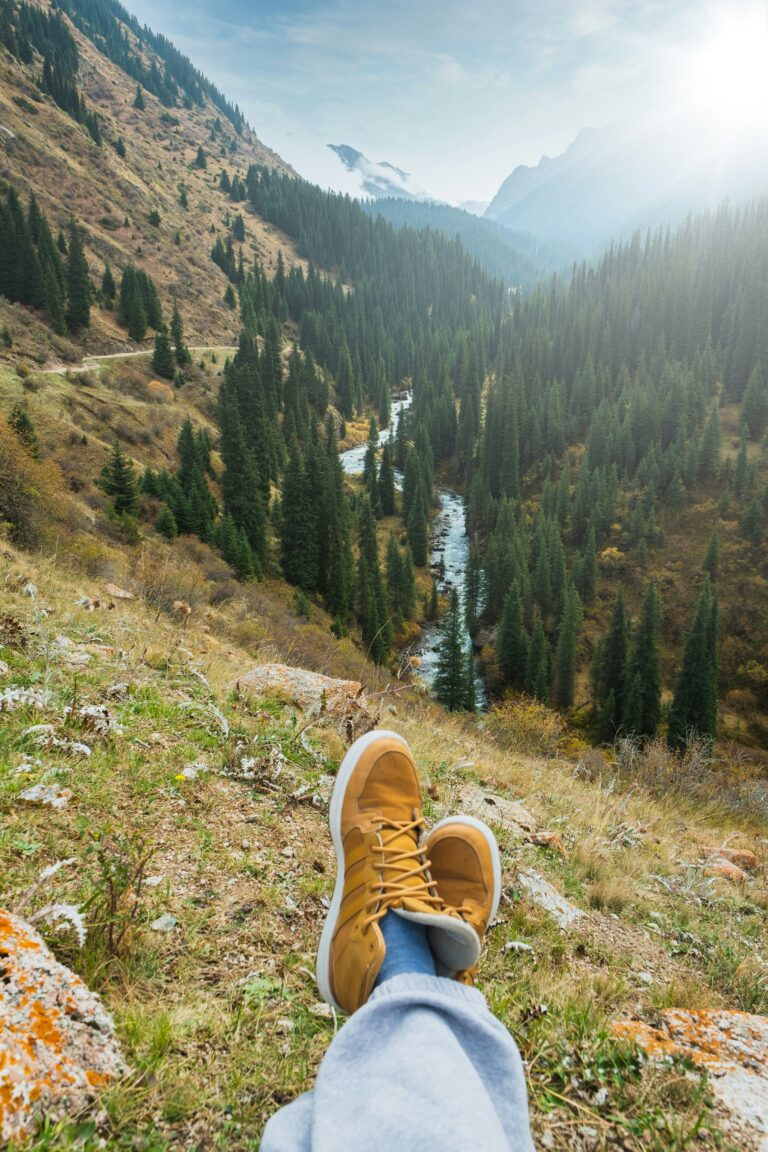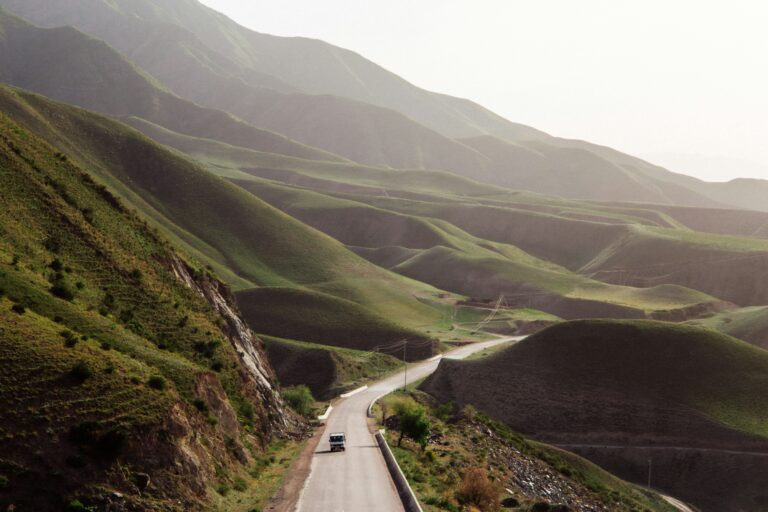

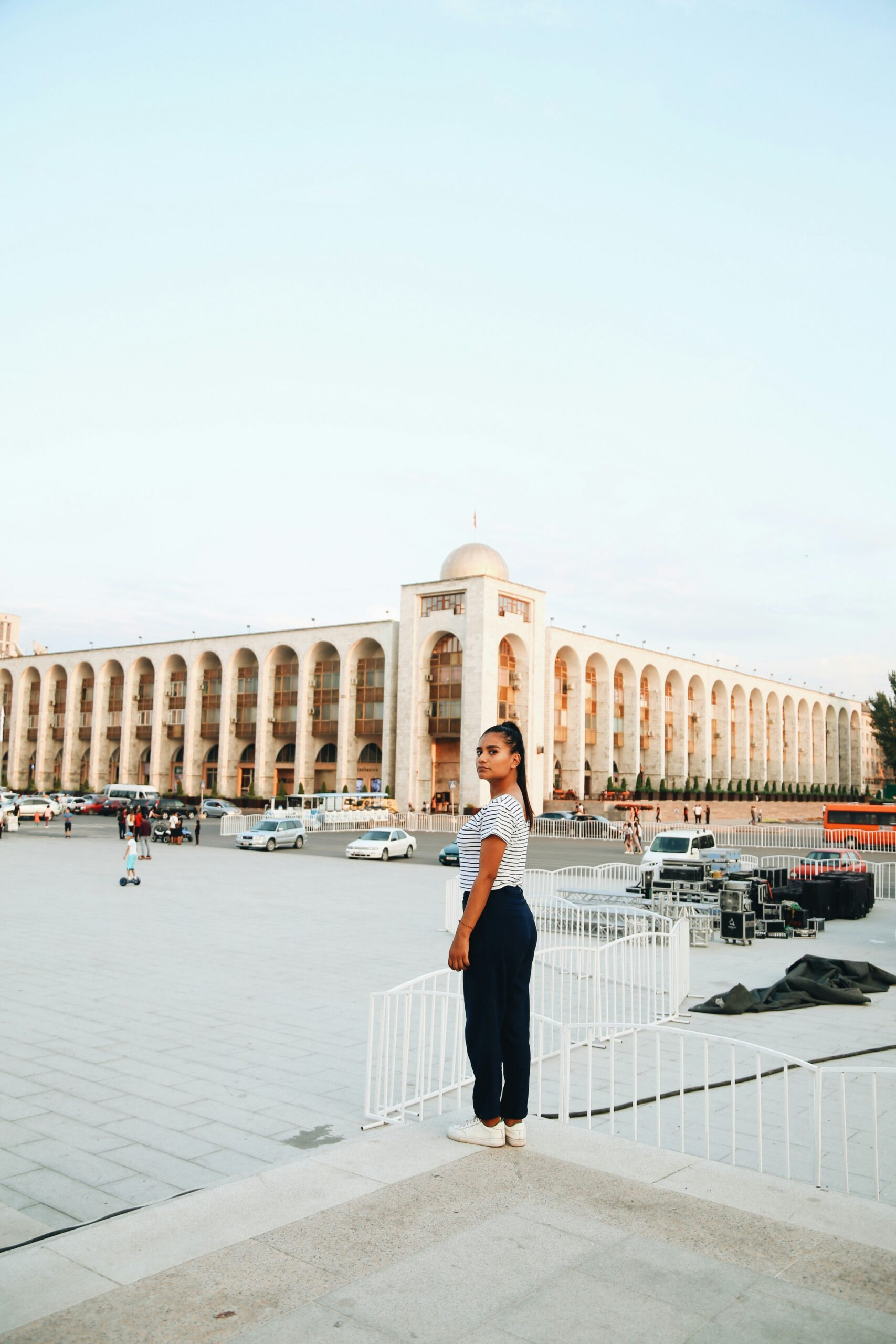
Bishkek, the capital of Kyrgyzstan, lies in the Chui valley at the foot of the snowy Kyrgyz Ala-Too range, at about 800 m. Home to well over a million people, it is a green, relaxed city of wide avenues, parks and Soviet-era architecture — and the starting point of almost every trip.
A short history
Saka and Usun tribes lived along the Alamedin and Ala-Archa rivers more than two thousand years ago, and in the Middle Ages a sizeable Silk Road town stood here. In the 19th century the Kokand khanate built the fortress of Pishpek, captured by Russian troops in the 1860s. The settlement grew into a town; from 1926 to 1991 it was called Frunze, and with independence it became Bishkek.
What to see
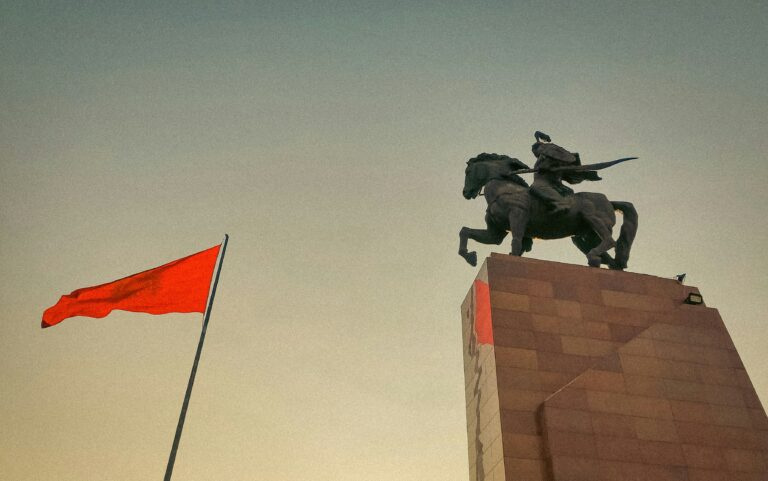
- Ala-Too Square — the main square with the Manas monument and the changing of the guard.
- State History Museum — one of the largest museums in Central Asia (founded in 1925), known for its archaeological and ethnographic collections: felt, wool, leather and wood crafts and traditional embroidery.
- Gapar Aitiev National Museum of Fine Arts — Kyrgyz painting, felt art and applied art.
- Open-air sculpture museum and Oak Park (Chingiz Aitmatov Park) — the city’s oldest park.
- Victory Square and Panfilov Park.
- Botanical Garden of the National Academy of Sciences.
- Opera and Ballet Theatre and the Philharmonic — affordable evenings of music.
- Osh Bazaar — the colourful eastern market for spices, dried fruit, felt and souvenirs.
Day trips from Bishkek
Within one to two hours of the city lie Ala-Archa National Park, the Chon-Kurchak and Kegeti waterfalls, the Issyk-Ata hot springs and the Burana Tower — see our day trips below.