
Rules and prices change — the information below was checked in October 2026, but always confirm visa rules on the official e-visa portal before you travel.
Visa
Since 31 December 2025, citizens of about 55 countries — including the EU, the UK, the USA, Canada, Australia, New Zealand, Japan and South Korea — can stay in Kyrgyzstan without a visa for up to 30 days within any 60-day period (before, it was 60 days). Citizens of the Eurasian Economic Union (Russia, Kazakhstan, Belarus, Armenia) can stay 90 days within 180, and citizens of the Gulf states up to 180 days within 360. Most other nationalities can apply for an e-visa at evisa.e-gov.kg (tourist e-visa from about $82, issued in 3–5 working days).
Remote areas near the Chinese and Tajik borders — such as Chatyr-Kol, the Arpa valley, Kel-Suu and the Inylchek glacier — need a border-zone permit. We arrange it for our guests; we need your passport details about a month before the trip.
Money
The currency is the Kyrgyz som (KGS). US dollars, euros and roubles are easy to exchange in Bishkek, Karakol, Osh and other towns — bring clean, undamaged notes; $50 and $100 bills get the best rate. Mastercard works at virtually all ATMs and Visa at most; Bishkek has plenty of ATMs, including at the airport. Cards are accepted in many city shops, restaurants and hotels, but carry cash in som for the mountains, villages and bazaars.
Getting around
Most visitors arrive at Manas International Airport near Bishkek; Osh also has an international airport. Shared minibuses (marshrutkas) link the towns. In Bishkek and Osh the Yandex Go app is the easiest way to get a taxi — foreign cards, especially US-issued ones, are often declined in the app, so choose cash payment. For the mountains and remote lakes you need a 4×4 and a driver who knows the roads — that is what we provide on our tours.
Phone and internet
Local SIM cards are cheap and easy to buy in Bishkek with your passport; mobile data works in towns and along main roads but disappears in the high mountains.
Altitude and health
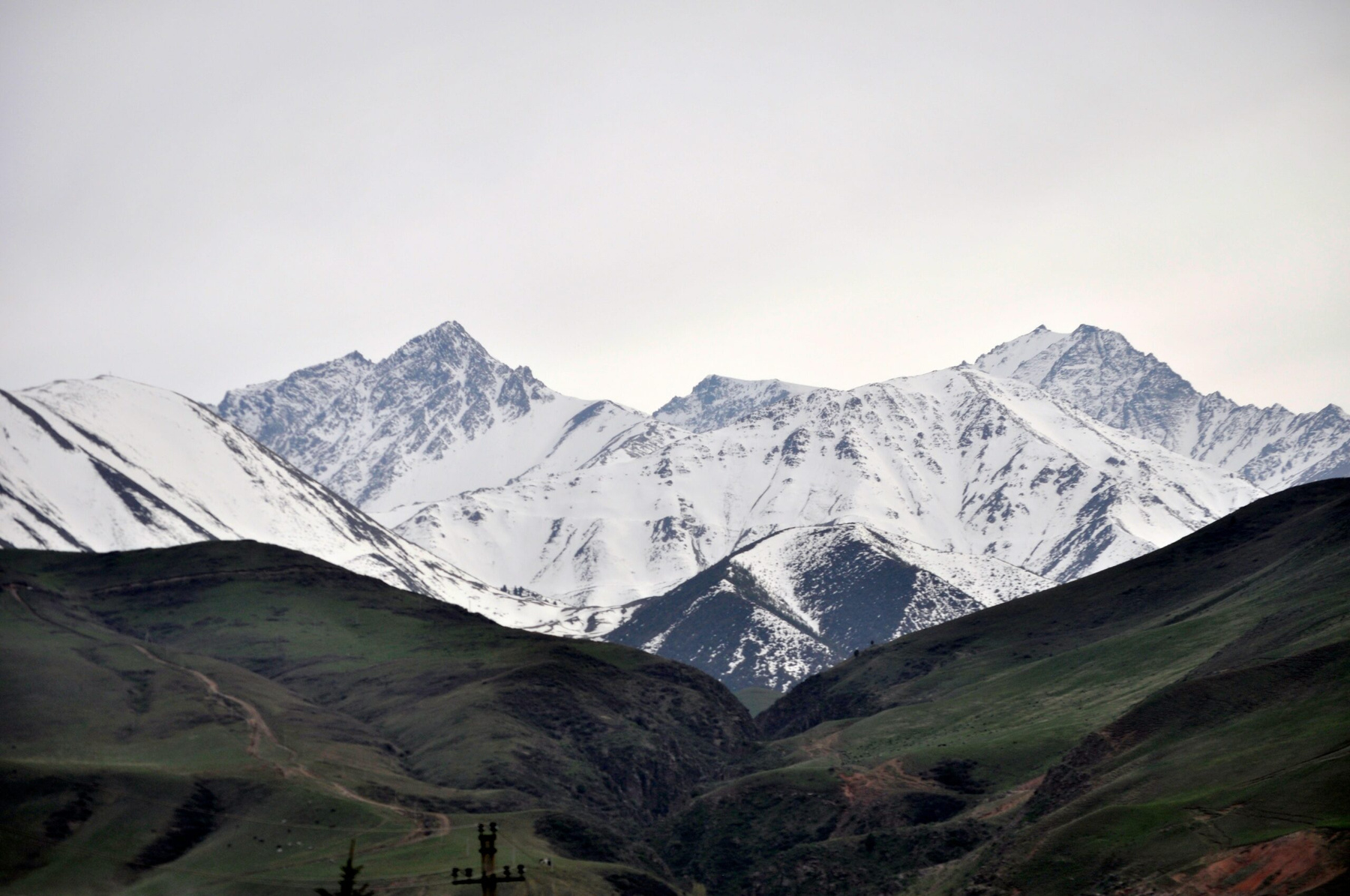
Many routes go above 3,000 m. Take it slowly for the first days, drink plenty of water and tell your guide about headaches or dizziness. Bring sunscreen and sunglasses — the sun is strong at altitude — and travel insurance that covers trekking and horse riding.
What to pack
- Warm layers and a fleece — mountain nights are cold even in August
- Rain jacket and comfortable hiking shoes
- Sun hat, sunglasses, high-SPF sunscreen
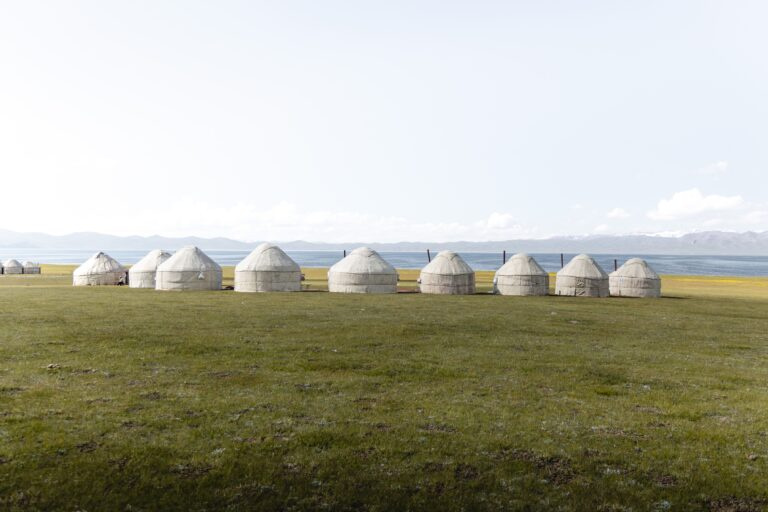
- Sleeping bag for tent and yurt nights
- Personal medicine and a small first-aid kit
- Cash in small notes for villages and tips
Local customs
Kyrgyz people are famously hospitable. Take off your shoes in homes and yurts, accept tea when offered, and ask before photographing people. See our culture and etiquette guide for more.